Featured Free Resources

Intervention & IEP Planning
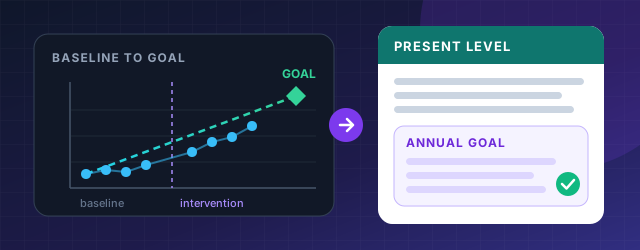
Two planners, two jobs. The Intervention Goal Builder sets a measurable goal for a tiered intervention. The PLAAFP / IEP Goal Builder drafts a present level and annual goal for a team to review.
Make Scores Make Sense: Assessment Score Explorer
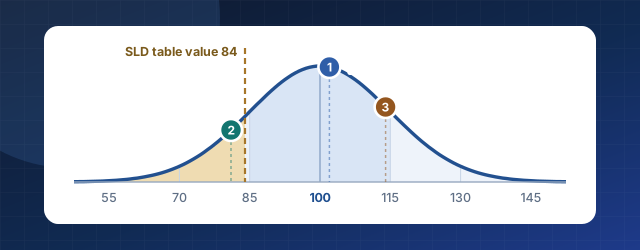
Plot up to eight standard, scaled, T, z, or percentile scores on one normal curve with the publisher's confidence intervals, and choose which layers the chart shows. Turn on the SLD reference to shade the discrepancy range right on the curve, from the 2016 New Mexico regression table or a value from another published chart, labeled as one reference rather than an eligibility rule. Presentation mode steps a family or team through each score. The same page keeps a CHC ability guide, strengths-based report sentences, and the full score conversion table. Print a clean one-page summary or save the chart as an image. Scores stay in the browser tab.
Evidence-Based Practice Guides
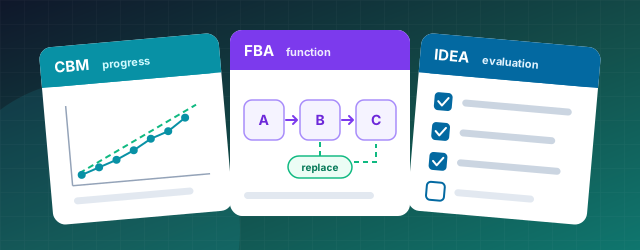
Practical, research-supported references connecting assessment, intervention, behavior, and special education decision-making. I wrote them to show the reasoning behind the tools, not only the tools.
CBM Probe Generators
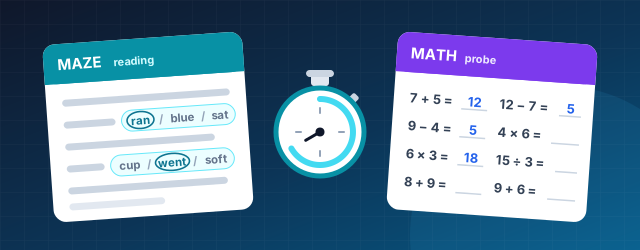
Two browser-based tools I built for creating curriculum-based measurement probes on demand. The MAZE Passage Generator builds reading comprehension probes. The Math Probe Builder covers 59 skills, from counting and early numeracy through two-step equations, with practice, skill check, and progress monitoring modes. Nothing is stored and no student data leaves the browser.

Competing Behavior Pathway
Map the full behavioral sequence in one view: setting events, antecedent triggers, the problem behavior, and what maintains it. The diagram places the desired behavior and a realistic alternative replacement behavior side by side, so teams can see what they are actually asking the student to do instead. Built for FBA and BIP development, IEP meetings, and MTSS problem-solving conversations. Fill it in on screen, then print or save as a PDF.
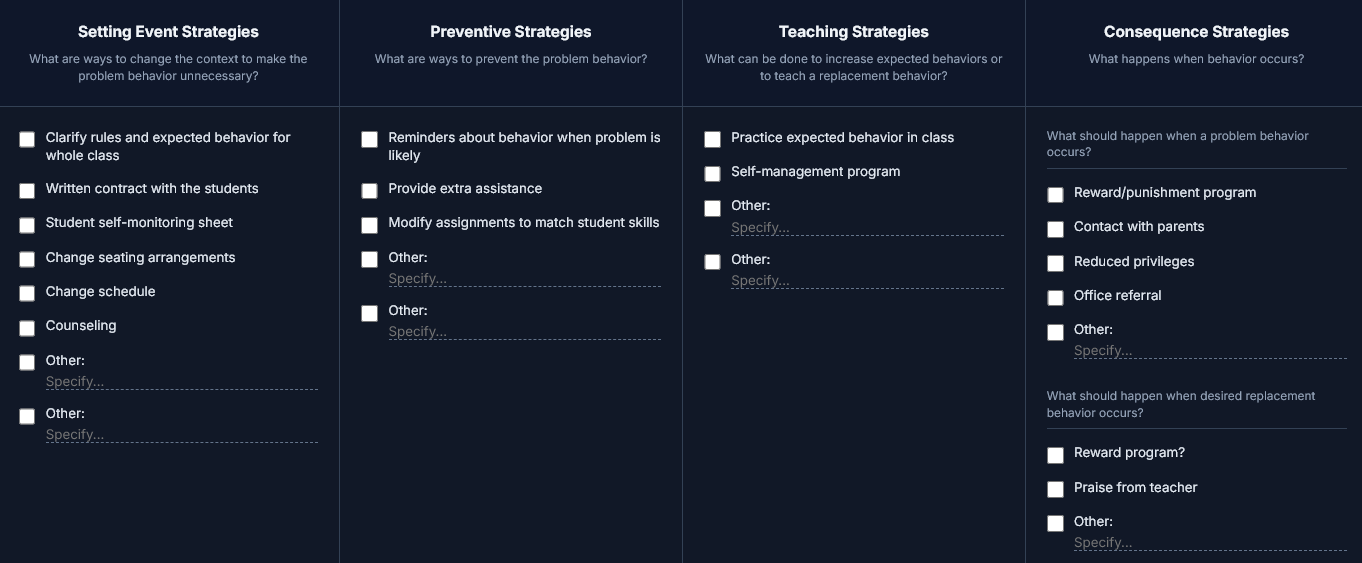
Positive Behavior Support Plan Builder
Build a complete behavior support plan across four strategy areas: setting events, prevention, teaching, and consequences. Each column offers common evidence-based options to check, plus Other fields for interventions specific to your student and setting. Designed to move teams past a list of consequences and toward a plan that makes the problem behavior irrelevant, ineffective, and inefficient. Print or save as a PDF when finished.

Executive Functioning & ADHD Support Checklist
A practical checklist for identifying organization, planning, task initiation, self-monitoring, and follow-through supports. Two-sided printable pamphlet. Read it on screen, print it as a handout, or download either side.
These materials were developed over a long career in schools and are informed in part by Dr. Russell Barkley's lectures.
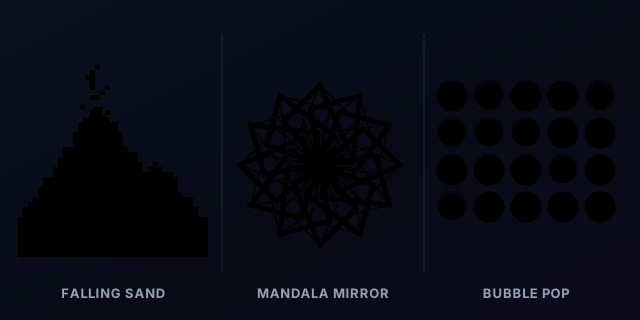
Sensory Break Tools
Three browser tools for a short, contained sensory break. Pour rainbow sand and watch it pile and settle, draw mandalas where every stroke is mirrored around the centre, or work through a pop-it grid that never runs out. Each one has a full-screen mode. Everything runs in the browser: nothing to install, no account, no student data collected. They work on a school Chromebook as they are. Sound is off by default and reduced-motion settings are respected.
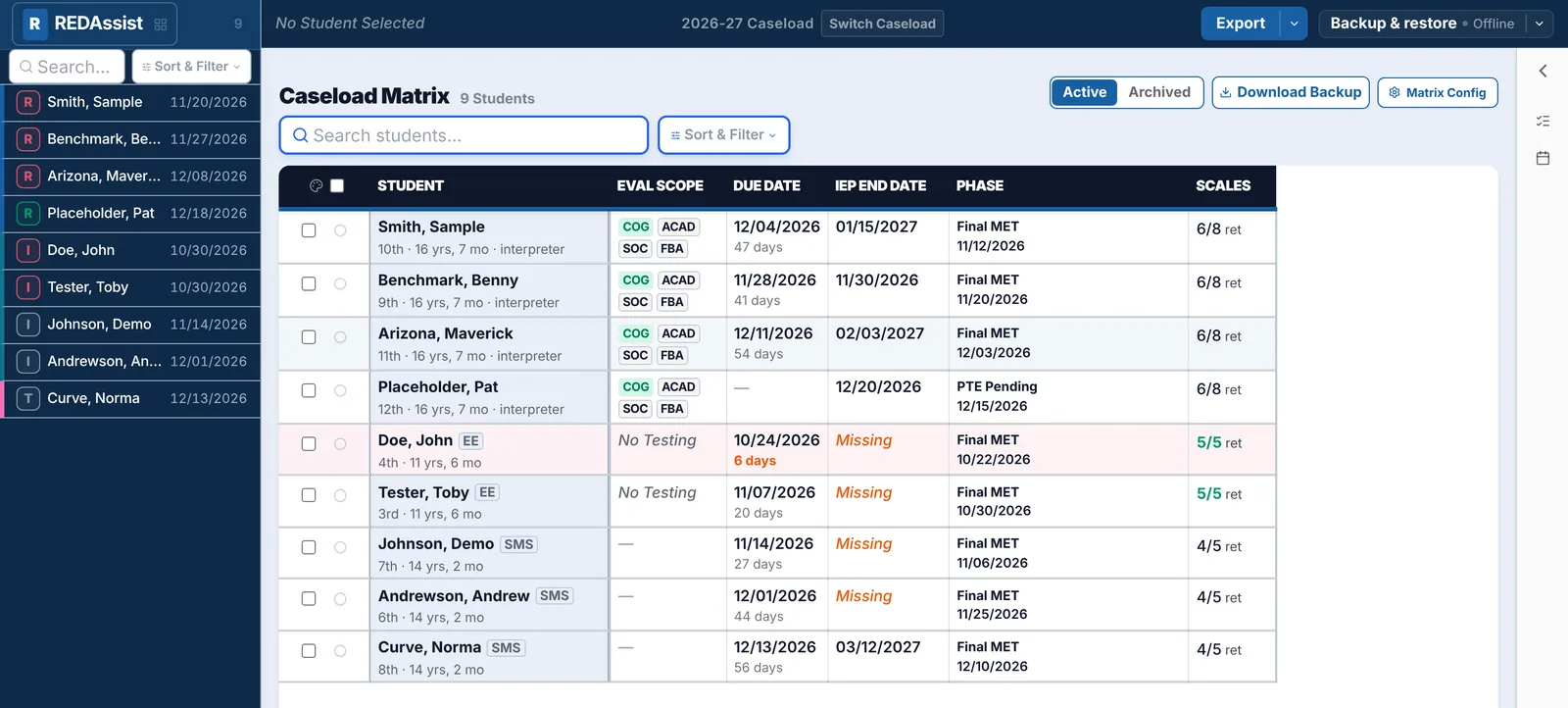
REDAssist: IDEA Compliance Support
The evaluation pipeline I built to run my own caseload. Every student sits in one matrix: evaluation scope, due date, current phase, eligibility, prior written notice, rating scales, and related services. Timelines count themselves down, so nothing slips quietly past a due date. Built around what IDEA actually requires for evaluations, re-evaluations, and exclusionary factor documentation. Try the live demo, or reach out about setting it up for your team.